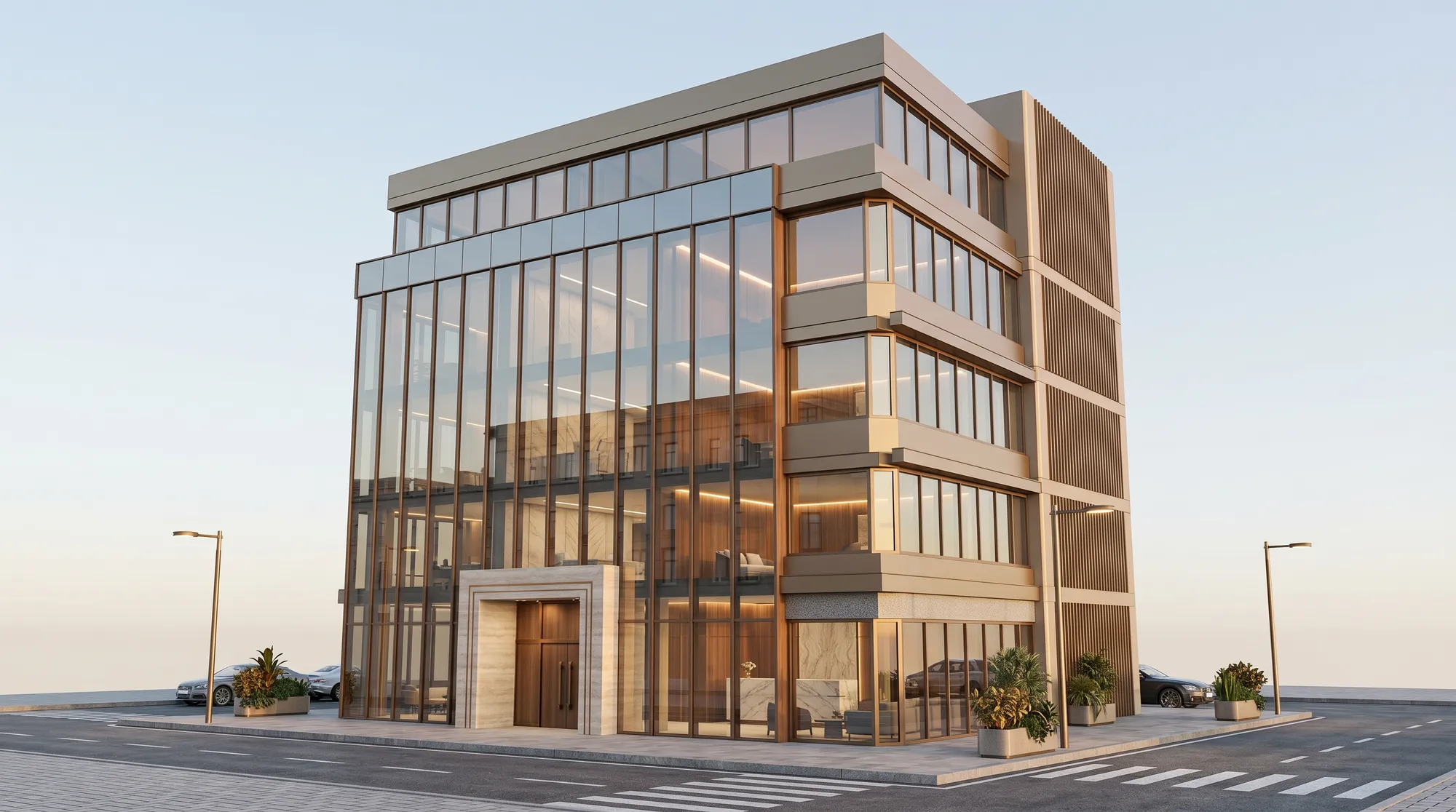
AI architectural renders from the design you already have.

Upload a screenshot, an exported view or a hand sketch — not the .skp, .rvt or .3dm file.

Or start from one of these

Drag any seam to check the geometry.
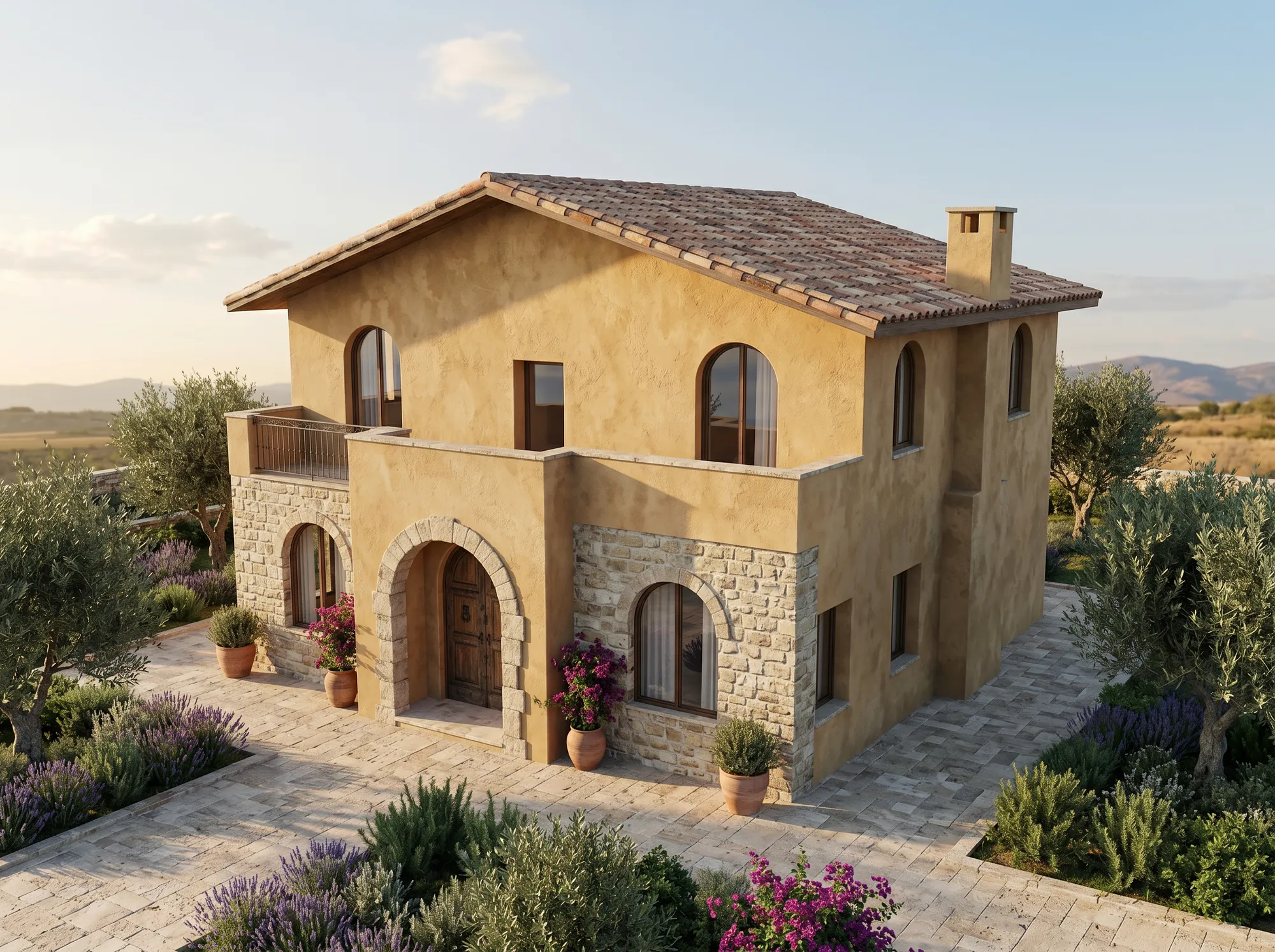
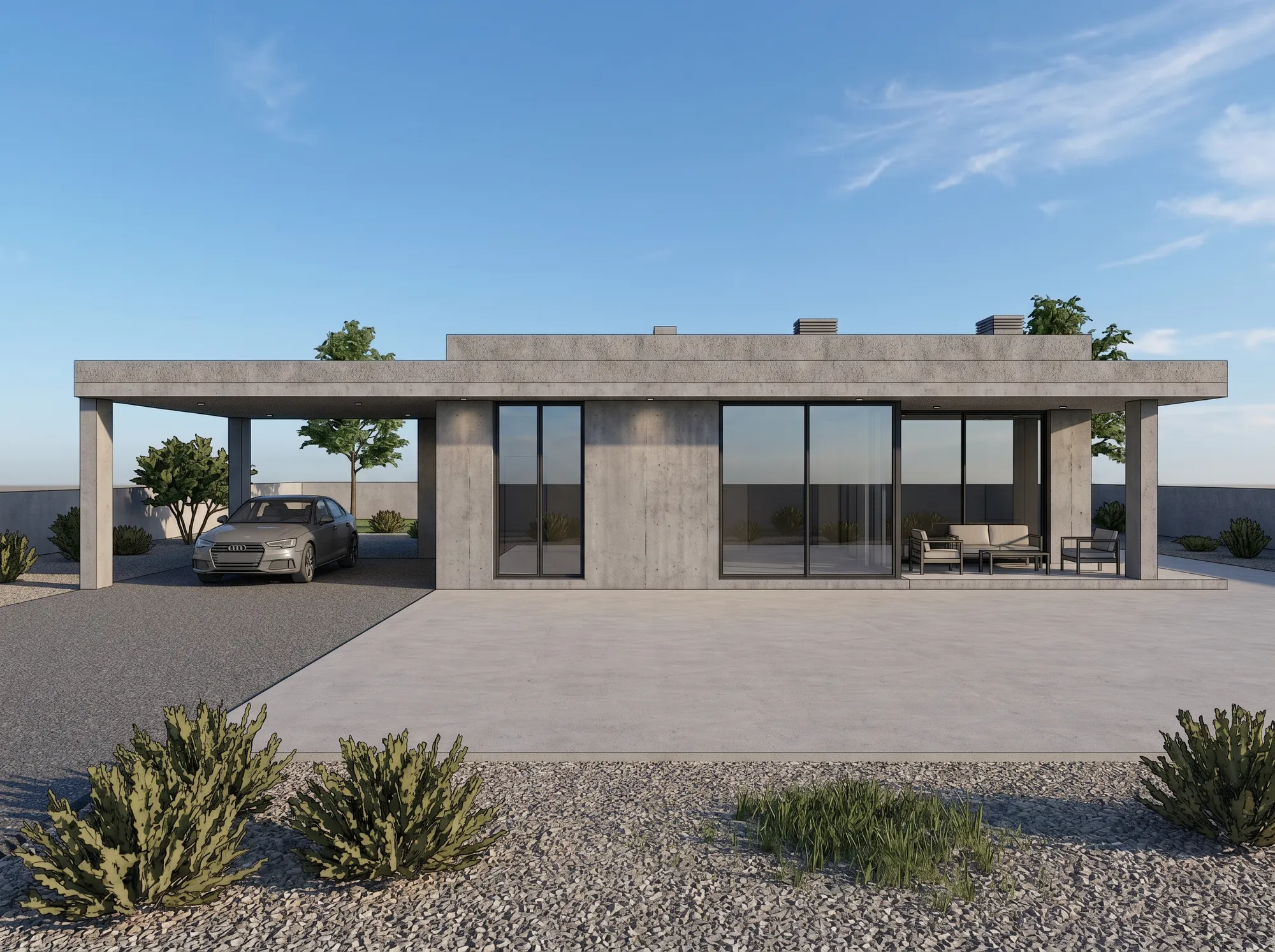
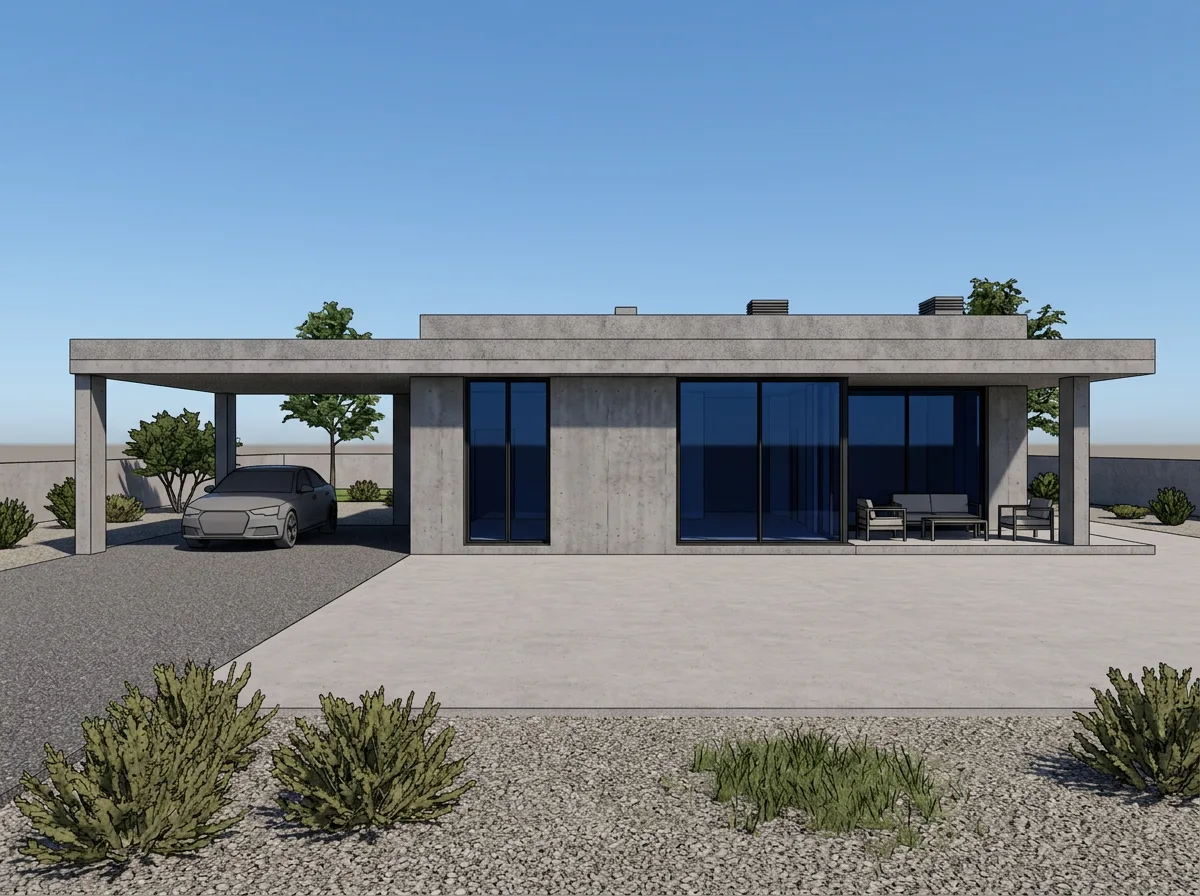
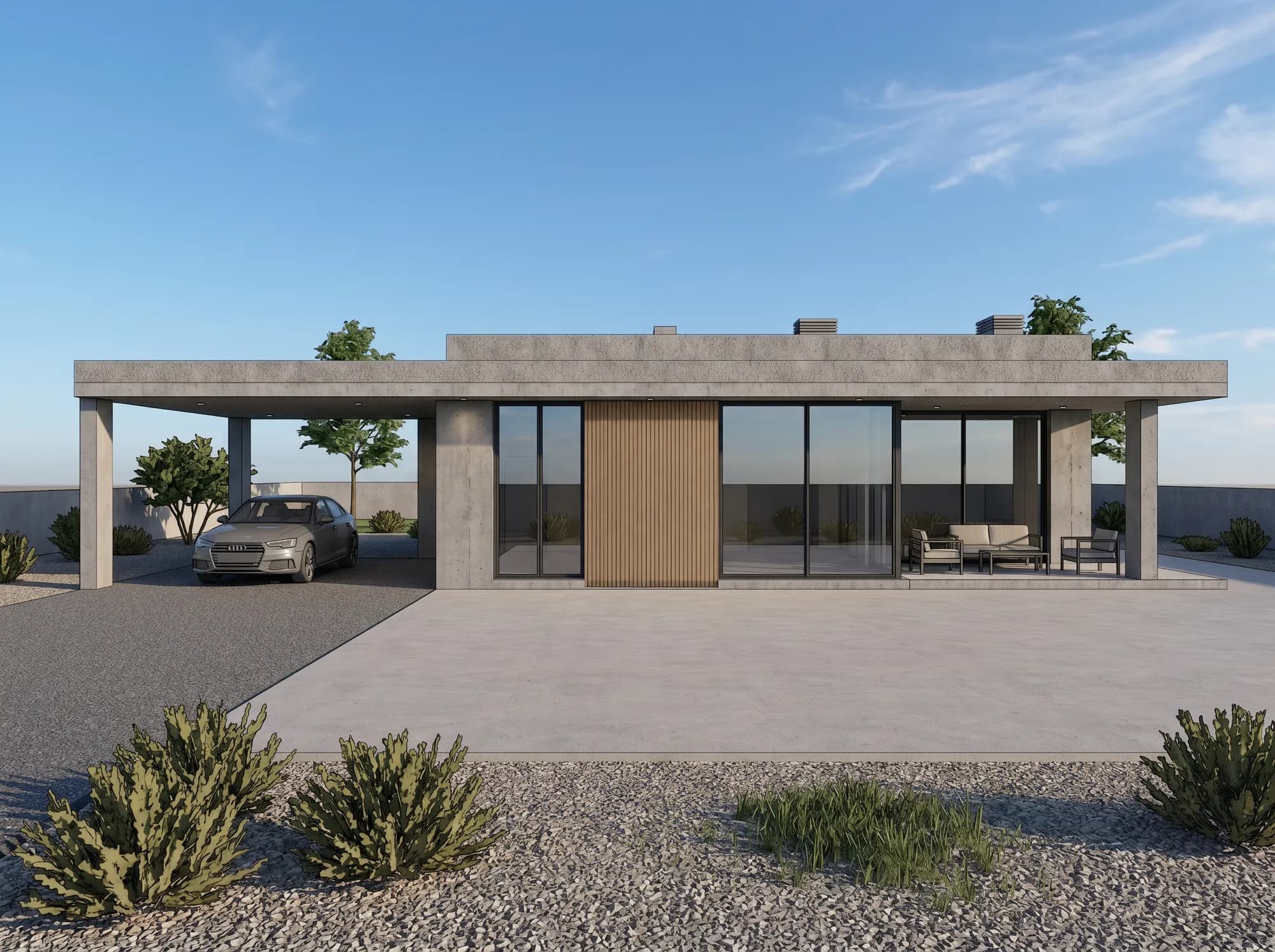
A flat draft render finished with realistic materials and light — AI renderA flat draft render finished with realistic materials and light — inputDraft renderAirender
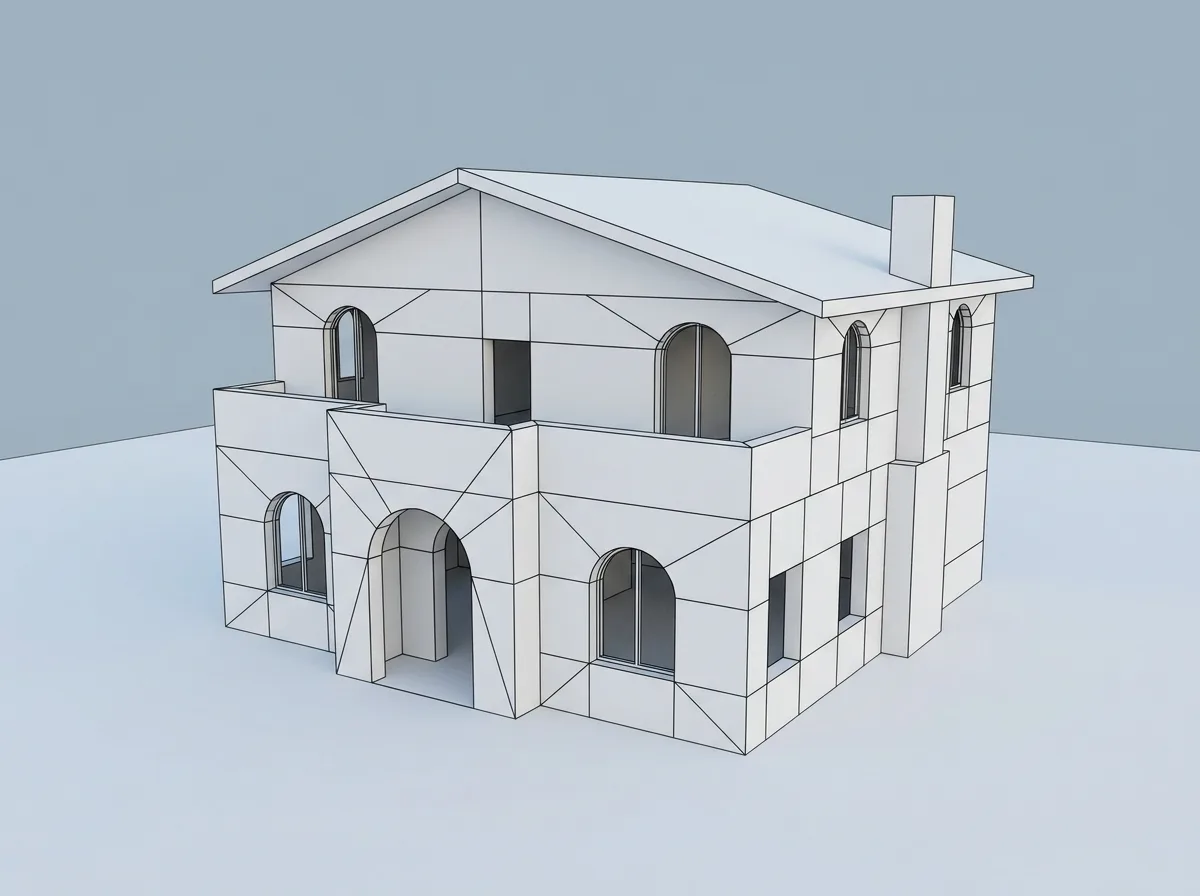
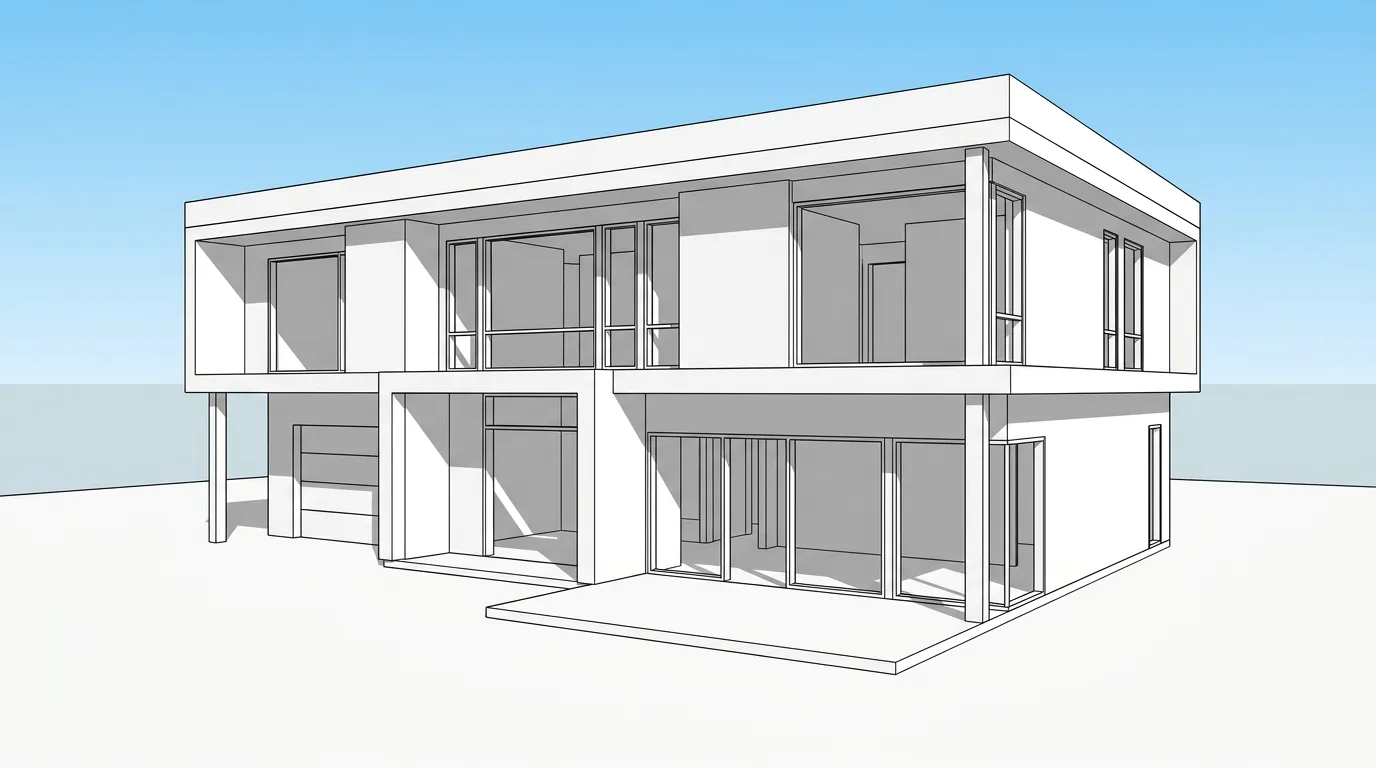
An untextured massing model rendered photorealistically — AI renderAn untextured massing model rendered photorealistically — inputModel screenshotAirender
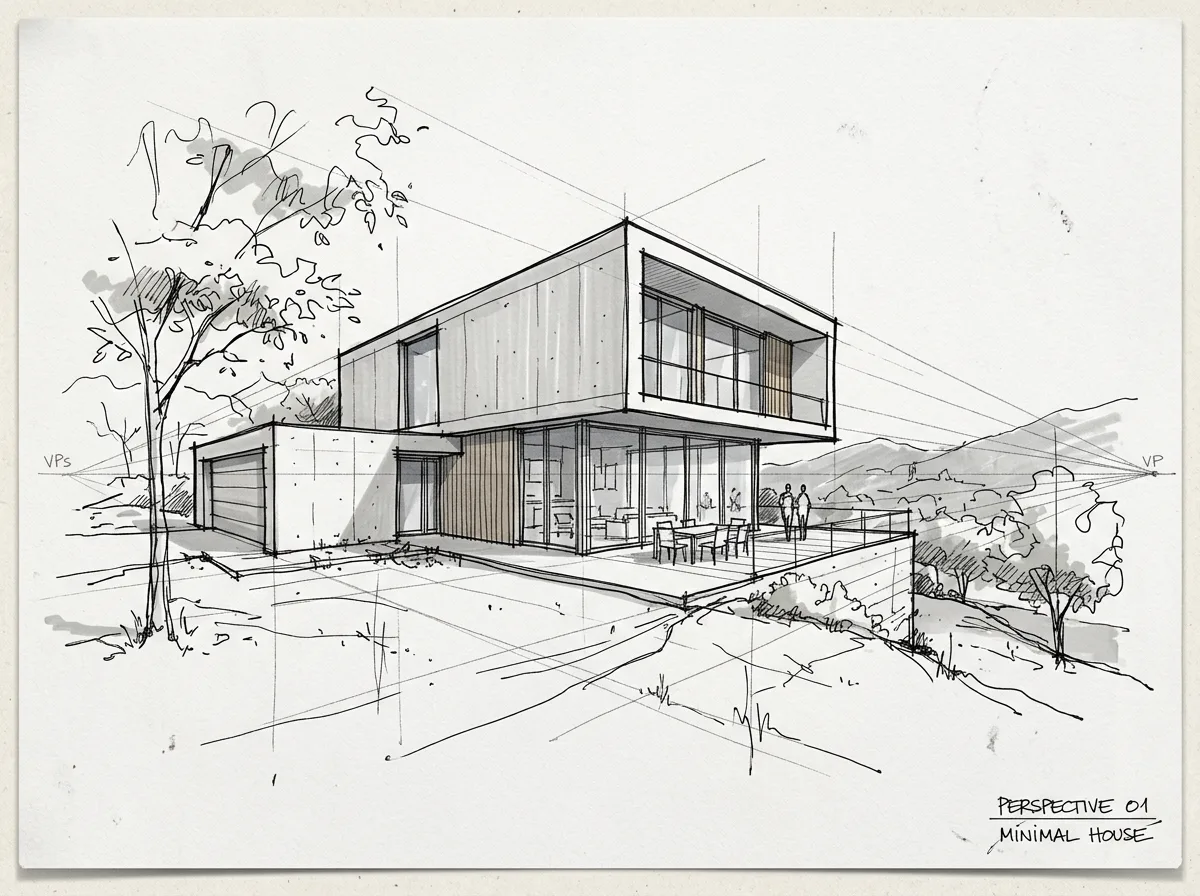
A hand-drawn concept sketch rendered photorealistically — AI renderA hand-drawn concept sketch rendered photorealistically — inputHand sketchAirender
Designed to preserve your massing, openings and camera — always compare the result with your original.
Works with
How much it may change

You decide how far the render may travel from your model.
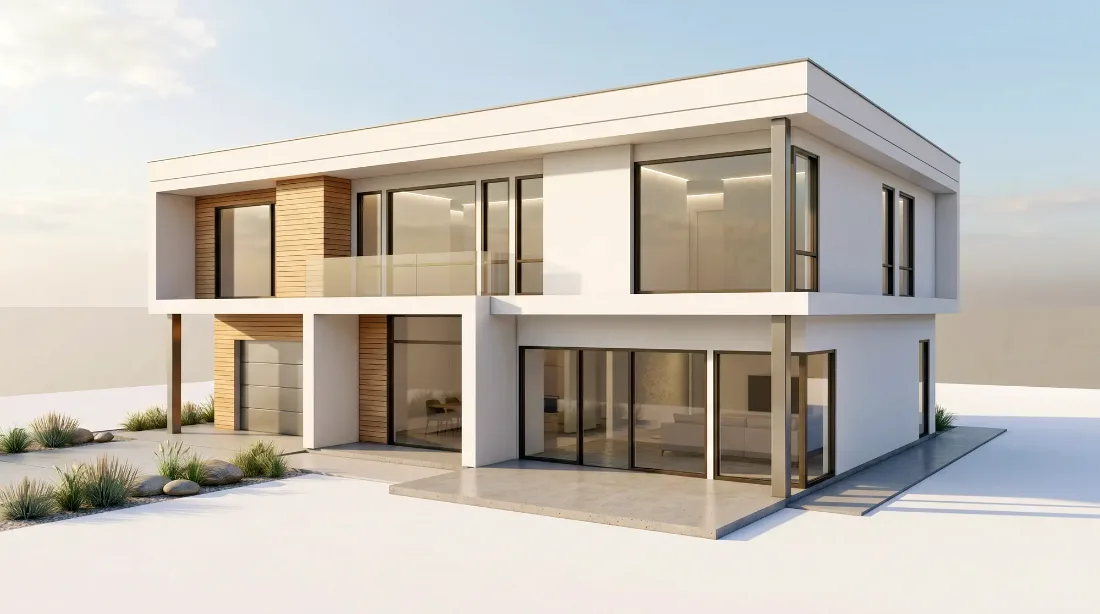
Three settings tell the model how much licence it has. Drag any of them against the original and check the geometry yourself.

The same model rendered at Balanced fidelity — AI renderThe same model rendered at Balanced fidelity — inputYour modelBalanced

Balanced asks for the same structure to be preserved while materials, lighting, context and realism are enhanced. The studio default.

Real output from the production pipeline — one example per setting, from the same source image. Generation is non-deterministic, so the same settings run again give a different image.

Balanced asks to keep
  • Massing and proportions
  • Window and door openings
  • Roof lines
  • Perspective and camera
And lets change
  • Materials and finishes
  • Lighting
  • Surrounding context
  • Photographic realism

In the studio this is one choice — Preserve design, which is Balanced above, or More creative, which is Creative. Faithful is the stricter setting and sits under Advanced, on the full Faithful → Creative slider.

Local Edit · verified pair

Change one area. Keep the finished work around it.
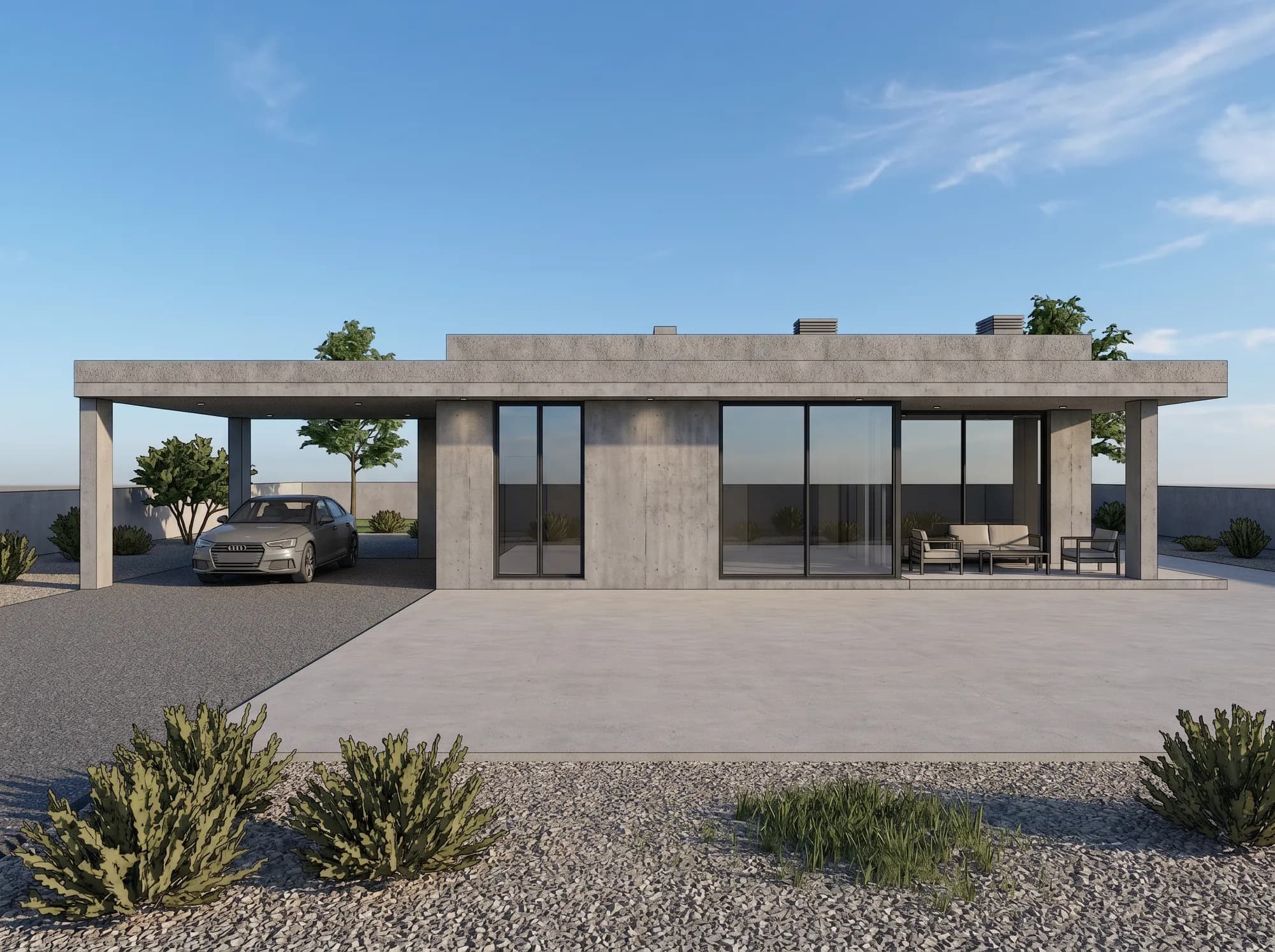
Everything outside your selection stays exactly as it was. For the most predictable result inside it, select a single surface — one wall, one panel, one roof plane — and keep windows, corners and structural edges out of the box. This selection sits on one concrete panel, edge to edge.

The parent render, with one blank concrete facade panel selected for a local edit
01Select one blank concrete panel and describe one change.
The same render after the edit: the selected concrete panel is now vertical timber cladding, and everything around it is unchanged
02Change this concrete panel to vertical timber cladding.
The parent render, with one blank concrete facade panel selected for a local edit
The same render after the edit: the selected concrete panel is now vertical timber cladding, and everything around it is unchanged

The same two files, enlarged. The window frames either side, the soffit reveal with its downlight above and the shadow line at the base all sit outside the selection — if the new panel had drifted, it would no longer line up with them.

Outside the selection: 0 / 2,924,260 pixels changed.Compared at full resolution, pixel by pixel
Why switch

Skip the render pipeline — keep the render.

Enscape / V-Ray in-houseAirender
Setup
Install the plugin, license it, learn it
Nothing to install — it runs in the browser
Hardware
A workstation that can render locally
Any laptop — the rendering runs on our side
Trying another look
Reassign materials, relight, re-render
Switch the style and run it again

Airender is the fast path to a presentable image — not a replacement for a hand-tuned V-Ray hero shot. Keep the renderer for the images that deserve it.

Try it on your own view
After you sign up

Your first render is where the work starts, not where it stops.
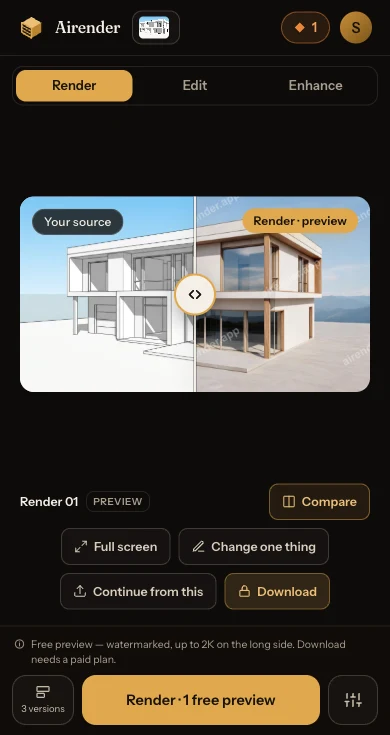
The Airender Studio on a phone: Render, Edit and Enhance tabs, the render on the canvas beside the view it came from, and a bottom bar with 3 versions, the render button and settings
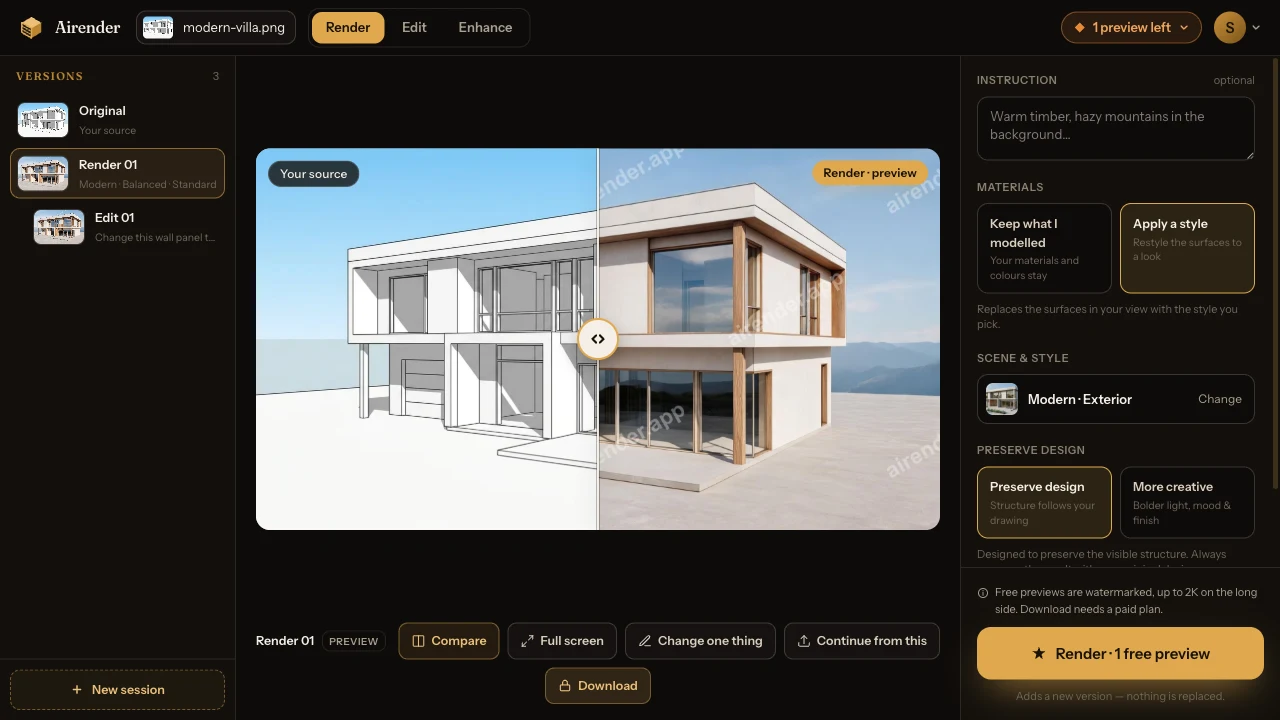
One session on a free account: the view you uploaded, the render made from it, and an edit made from that render — all kept together in the same session.
Versions

Every Render and Edit made from one source stays in the session, each labelled with the settings that produced it.

Controls

Style and Preserve design decide how far a render may travel from your drawing. On a desktop they sit beside the canvas; on a phone they are behind Settings.

Nothing overwritten

Each run adds a version. The view you uploaded, and every result before this one, are still there to compare against.

A render takes about a minute, and it runs in the background, so you can keep working while it does.

Pricing

Start free. Pay for finished output.

Everyone starts with 3 free previews. Paid plans start at $24/month.

Starter

$24/month

$199/year · $16.58/month equivalent · save 31%
200 generations / month

  • 200 generations / month
  • Watermark-free exports
  • Commercial license

Pro

Popular

$49/month

$429/year · $35.75/month equivalent · save 27%
500 generations / month

  • 500 generations / month
  • Watermark-free exports
  • Commercial license

Studio

$99/month

$899/year · $74.92/month equivalent · save 24%
1,200 generations / month

  • 1,200 generations / month
  • Watermark-free exports
  • Commercial license

Every plan outputs Standard · 2K, HD · 4K and Ultra · 5K, watermark-free, with a commercial license.

A render, edit, or enhance uses 1 generation. Generations don’t roll over.

FAQ

Before you upload anything.

01What do I upload — my SketchUp or Revit file?

No. You upload an image of your view: a screenshot or an exported JPG, PNG or WebP. Airender does not read .skp, .rvt or .3dm files, and there is no plugin to install. Perspective views work; flat top-down plans do not.

02Will it keep my building’s geometry?

That is what the fidelity setting controls. Faithful and Balanced are written to hold your massing, window and door openings, roof lines and camera angle while materials, light and surroundings change; Creative allows more reinterpretation. Designed to preserve the visible structure. Always compare the result with your original design.

03What do I actually get for free?

3 previews after sign-in, no card. They are watermarked, up to 2K on the long side, at Standard quality, and they carry no commercial rights — big enough to judge geometry, openings, materials and any drift on your own project, but not a file to hand a client.

04Can I use the renders with clients?

Yes, on a paid plan. Every paid plan includes a worldwide commercial license to use your renders in proposals, presentations and published work, and you keep the rights to everything you upload. Read the terms →

05Do you train on my uploads?

No — we don’t use your uploads, prompts or outputs to train, fine-tune or improve models. To produce a render, your image is sent to our rendering provider, fal.ai; the privacy policy lists every sub-processor we use. You can ask us to delete your uploads and renders, and we remove them within 30 days. Read the privacy policy →

06How long does one render take?

About a minute, and it runs in the background so you can keep working. A render, edit, or enhance uses 1 generation.

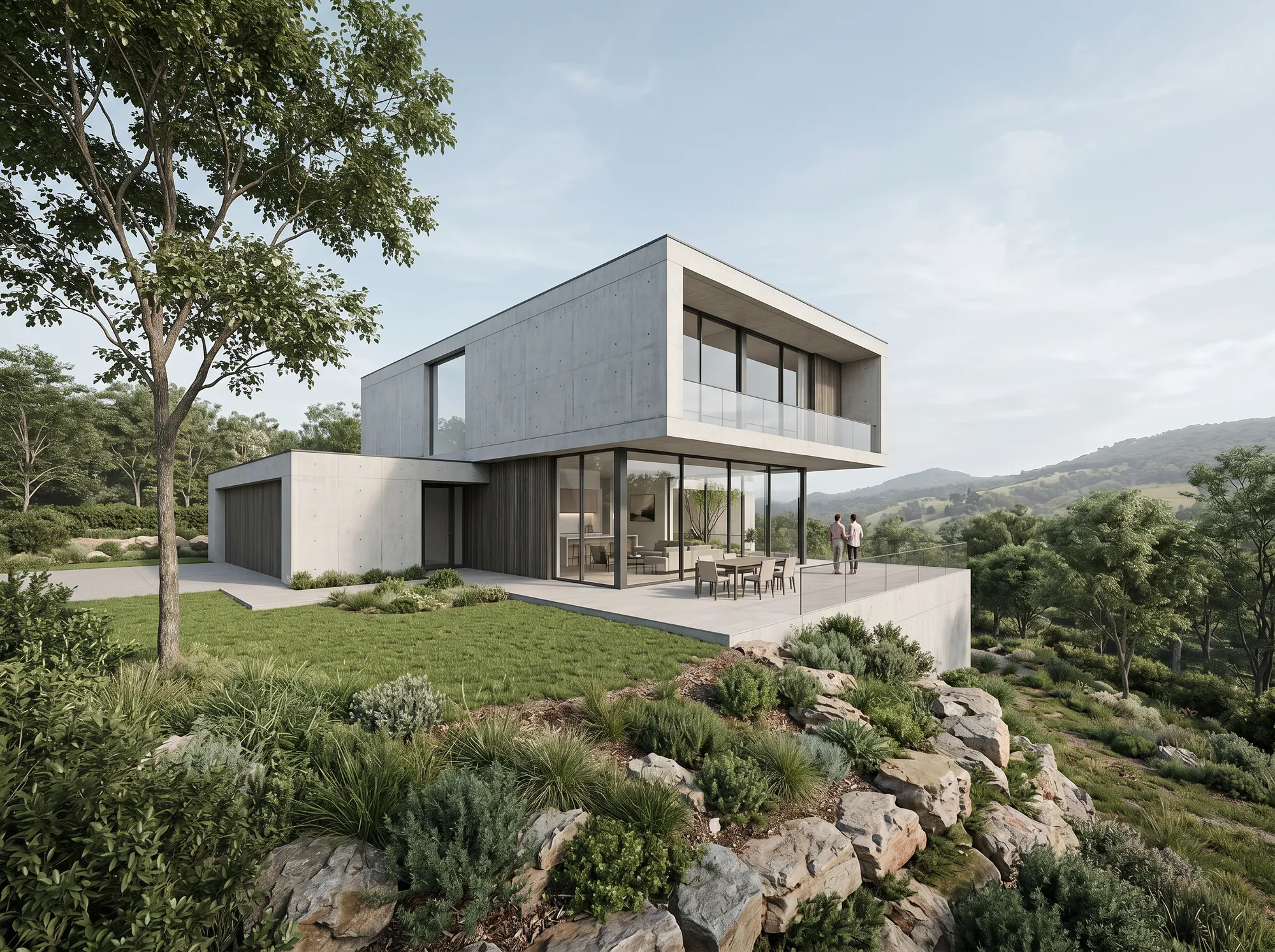
A commercial building rendered with Airender

Try it on a view from the project on your screen right now.

Upload a screenshot and judge the result against your own drawing.

Render my view free
3 free previews
No credit card
Commercial use on paid plans